Language and Culture
Our Purpose
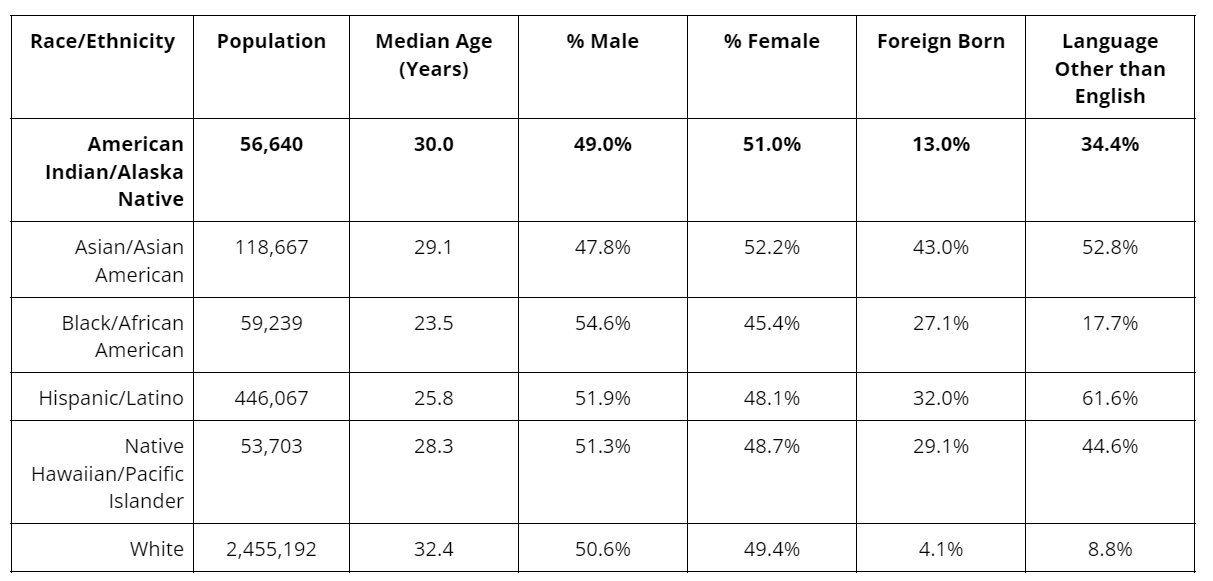
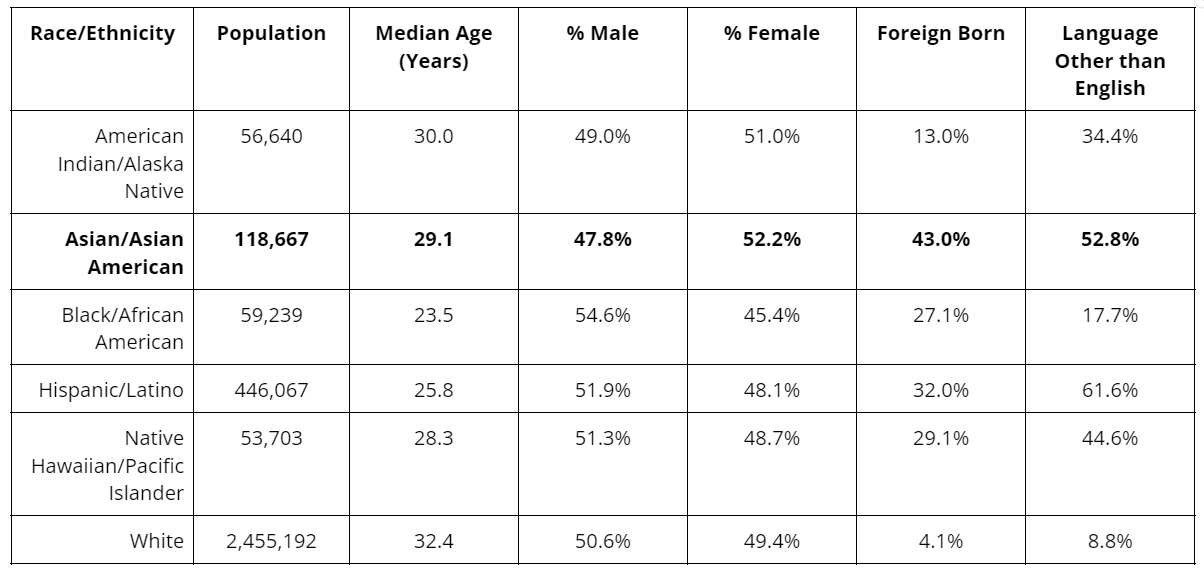
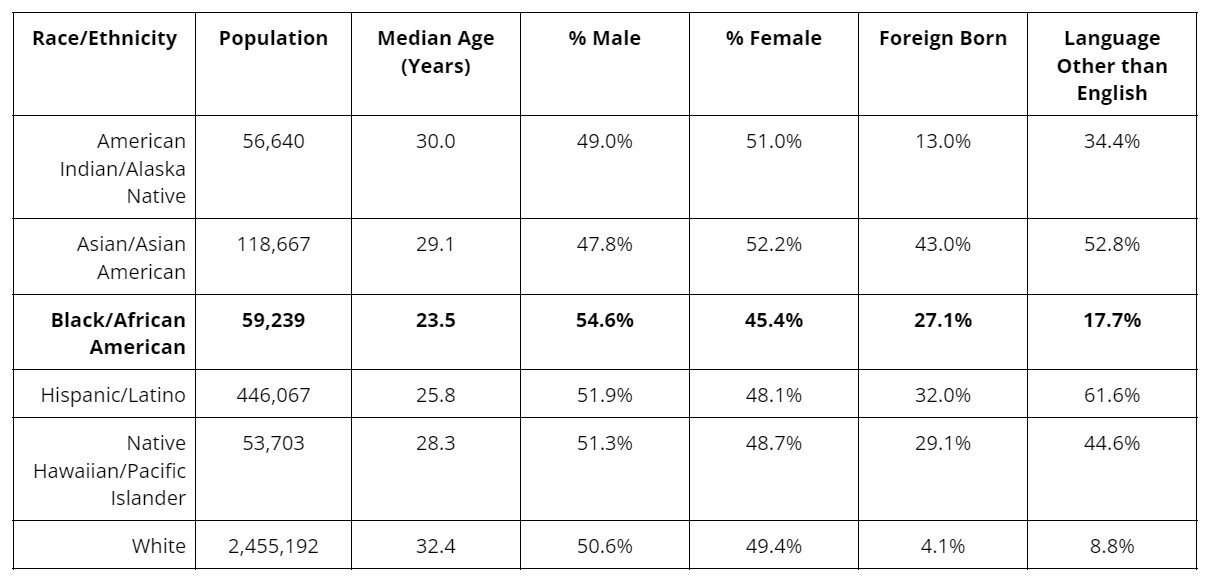
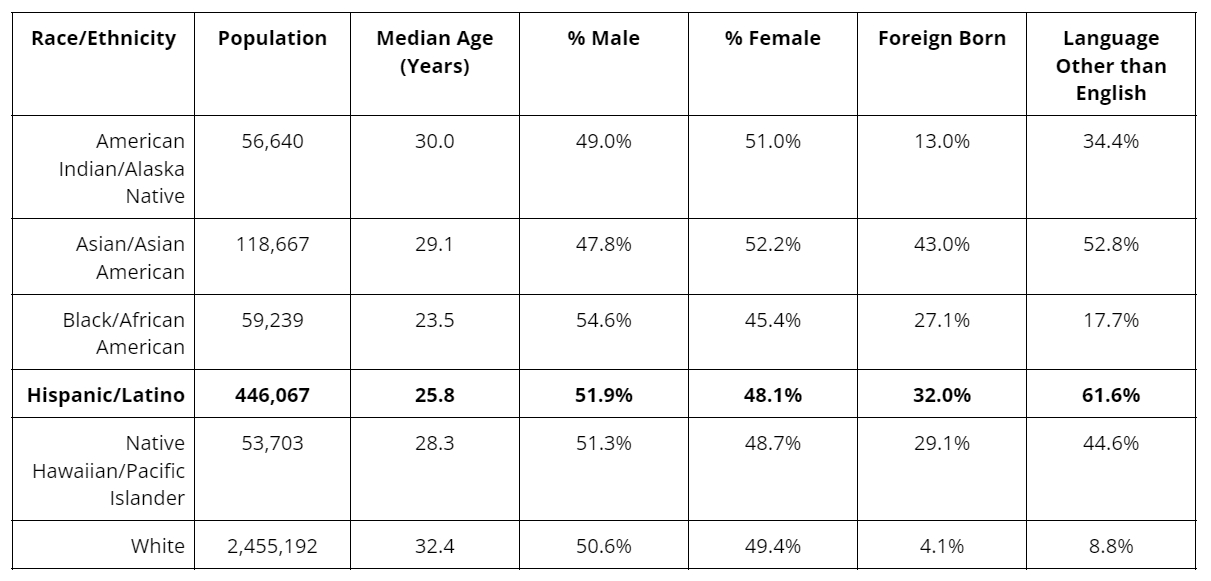
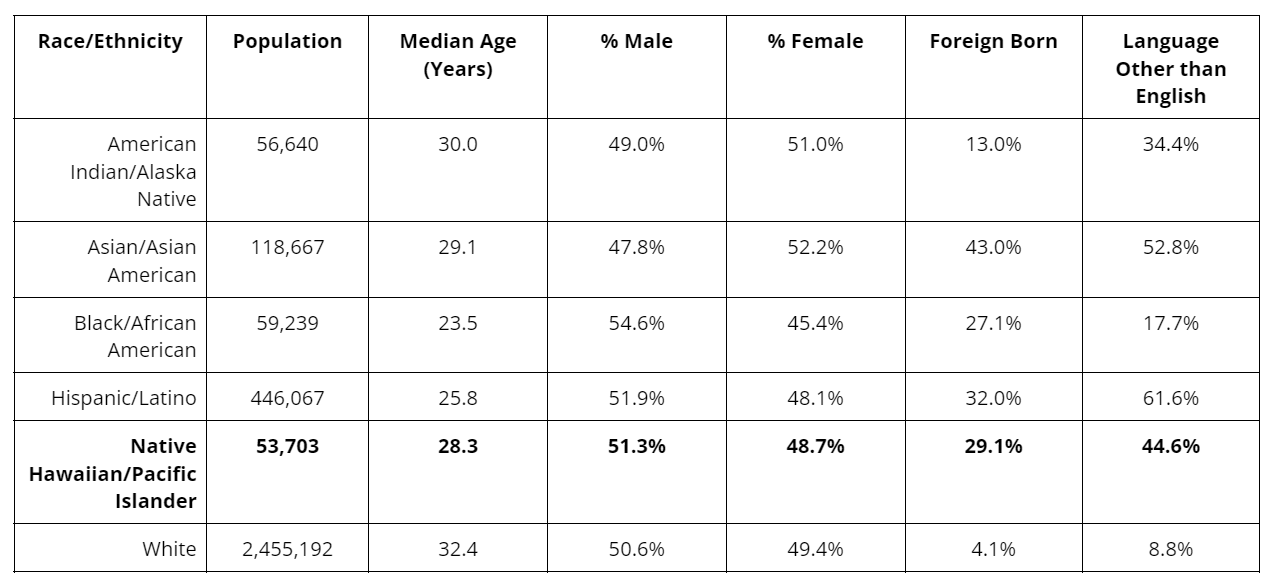
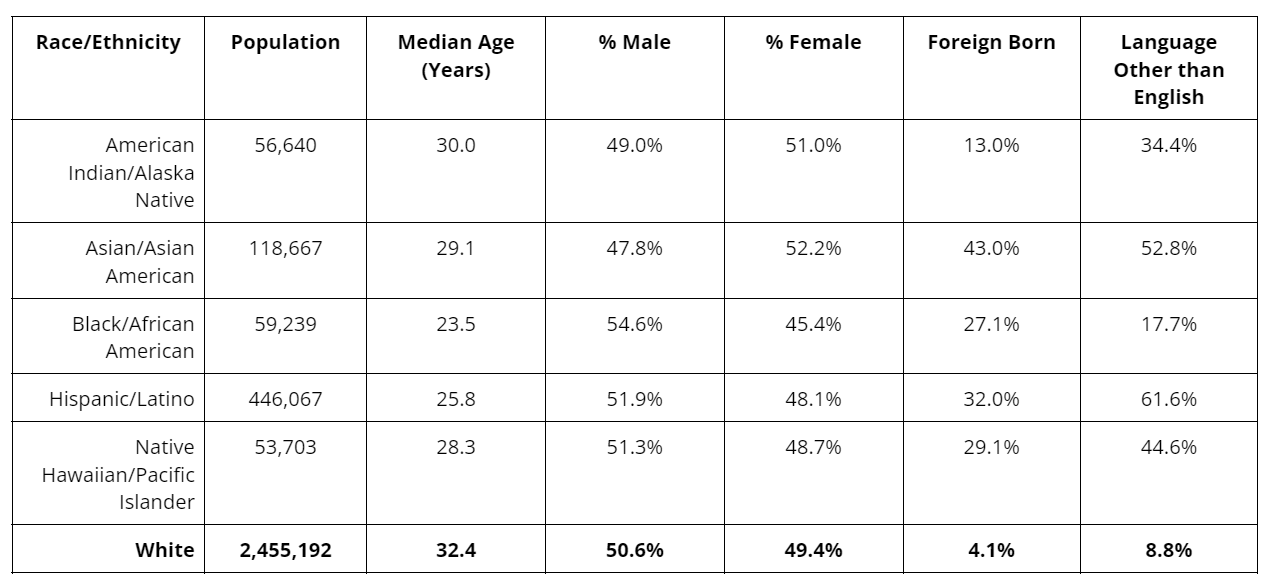
The purpose of the demographic profiles is to provide a brief overview of the different racial and ethnic populations across the state of Utah. These profiles contain a snapshot of population-level and sociodemographic indicators. While these profiles provide valuable information, the data should be interpreted with sensitivity as they do not provide a full picture of the lived experiences of individuals within Utah’s diverse communities. The full picture may include social, economic, and cultural dynamics happening within Utah. These profiles are a starting point for understanding characteristics of people residing in Utah. A full understanding of these populations requires consideration of additional factors, including stories and interpretations from the communities themselves.Latest Demographic Profiles
Translation and Interpretation Resources
Definition of translation vs interpretation.
- Translation is the written transfer of text information from one language to another.
- Interpretation is the verbal transfer of spoken information from one language to another.
Utah Language Data
This is a report of the most common languages spoken in Utah created to help guide state, county and local public health and health care professionals plan and provide services for Limited English Proficient patients and clients.
Utah Medicaid and CHIP Interpreter Services
Utah Medicaid and CHIP Interpreter Services are free for program clients. If you need an interpreter, call 801-538-6155 or 1-800-662-9651.
Language Services Guides for Utah Public Health Agencies
If you are a current Utah Department of Health employee, you may use this guide to find a current state of Utah language services contractor.
This Interpretation Toolkit (new version forthcoming) provides guidance to state and local health department personnel through step-by-step procedures to promote accurate and effective verbal interpretation processes. The Translation Toolkit (new version forthcoming) and Manual (new version forthcoming) provides detailed explanation of how programs can achieve high quality written translations.
Audio Resources
OHD has created resources for the visually impaired or low literacy patient populations. Audio resources are accessed on the EthnoMed website.